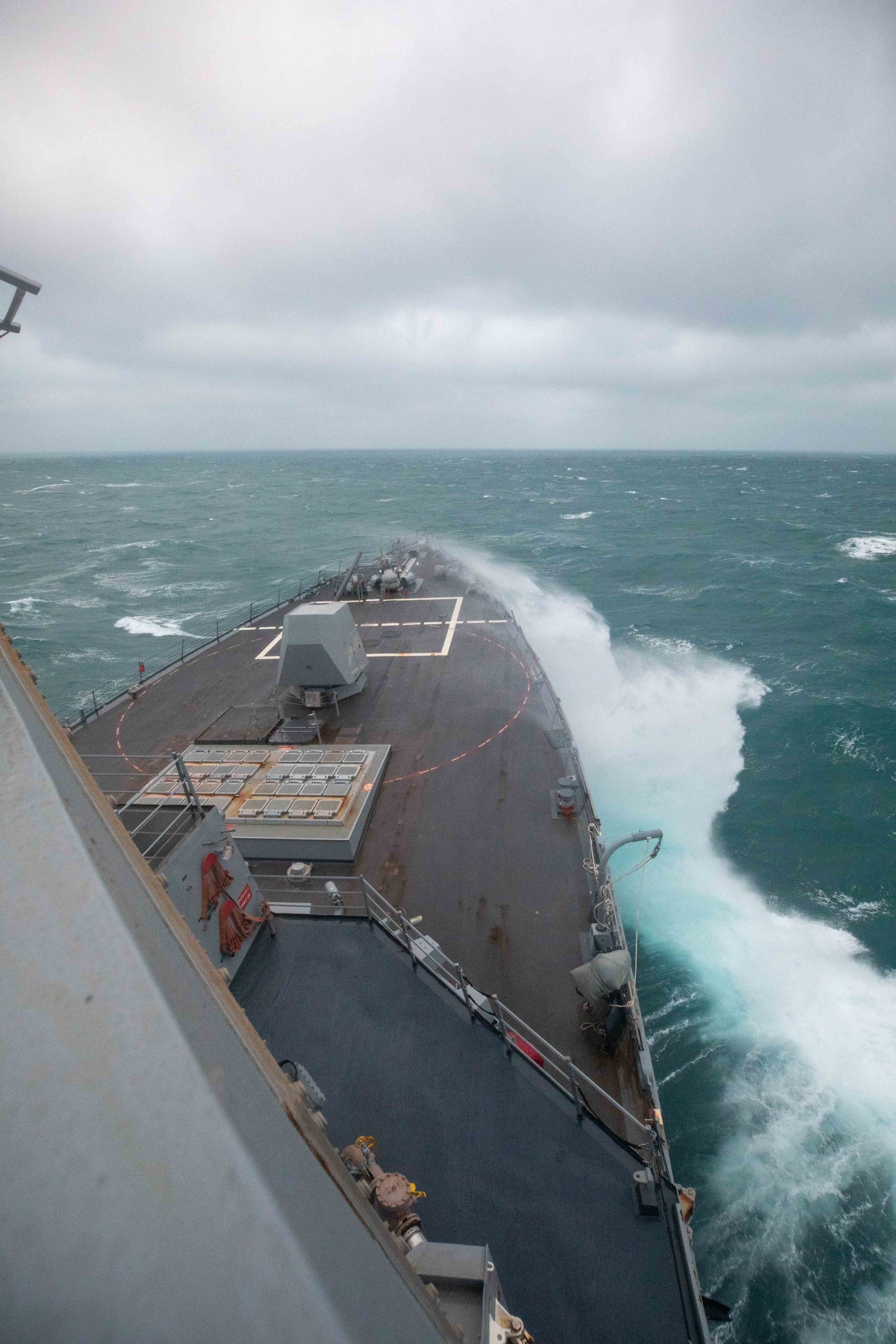
The hand-wringers are out in force screeching that America might run dry on bullets and bombs if this Iran smackdown drags past a few weeks. And guess what? They’re not entirely wrong. Operation Epic Fury kicked off February 28, 2026, with Tomahawk cruise missiles, B-2 stealth bombers, one-way attack drones, and fresh Precision Strike Missiles pounding over a thousand Iranian targets in the first 24 hours. We’ve degraded their missile factories, nuclear sites, and naval assets, and on March 1 we turned Supreme Leader Ali Khamenei into yesterday’s news. But sustained high-intensity ops? That’s where the rubber meets the road, and our stockpiles are showing some serious tread wear. President Trump says the campaign could run four to five weeks if needed, but military leaders are sounding alarms behind closed doors. This isn’t panic—it’s physics. Let’s cut through the noise and lay out the hard facts on what we’re using, what’s left, and how long it lasts before we start rationing like it’s 1945.
The Offensive Arsenal: Tomahawks and Precision Bombs Taking the Brunt
We’re hitting Iran hard from the air and sea, and that means cruise missiles and smart bombs are flying fast. Tomahawk land-attack missiles—those $2 million each beauties launched from destroyers and subs—are the workhorse here. In limited phases so far, we’ve burned through about 3 percent of the roughly 4,000 in the inventory. But production is a joke: Only 57 planned for fiscal year 2026, down from 72 in 2025. Even with recent deals to ramp up to over 1,000 a year eventually, we can’t surge overnight. A prolonged campaign firing dozens daily? That stockpile shrinks quick. We’re already diverting from Pacific reserves, and that’s got China grinning like a Cheshire cat watching us bleed arrows while they stockpile theirs.
Mar. 1, 2026 — The Arleigh Burke-class guided-missile destroyer USS Thomas Hudner (DDG 116) launches multiple Tomahawk Land Attack Missiles in support of Operation Epic Fury. (U.S. Navy) pic.twitter.com/hiLrgCwfVN
— Aviation Diary (@aviationdiary_) March 2, 2026
Then there’s the precision-guided stuff: GBU-31 JDAMs for general targets, bigger bunker-busters like the GBU-57 Massive Ordnance Penetrators dropped by B-2s on hardened sites. Stocks of the big penetrators are lower, so we’re picking targets carefully. In the first blitz, we’ve used hundreds of these smart munitions. A short, sharp war? No problem. Drag it out weeks with constant strikes to keep the mullahs’ remnants from reconstituting? We start feeling the pinch fast—potentially limiting intensity after a couple weeks if we don’t husband resources.
Defensive Side: Air Defense Interceptors Are the Real Sore Spot
Here’s the gut punch: Protecting our troops, bases, and allies means burning through interceptors faster than we can build ’em. THAAD, Patriot PAC-3, Standard Missile-3—these are the shields against Iran’s ballistic missiles and drones. In the June 2025 12-day Israel-Iran clash, we fired a quarter of our global THAAD inventory in days defending allies. Add in Houthi ops and Ukraine aid, and those stocks were already thin. Recent estimates put us having expended 20 to 50 percent of certain THAAD and SM-3 missiles just in 2025 draws. Production? Around 600-650 Patriots a year max, and high-end systems take over a year to replenish.
Iran’s retaliatory salvos—ragged so far, thanks to our preemptive hits on launchers—still force us to shoot multiple interceptors per incoming threat. In a sustained exchange, even a week’s worth of production vanishes in days. Officials warn that prolonged defense ops could leave our forces in the region exposed, with tens of thousands of troops at higher risk if we run low. That’s not speculation; it’s math from recent ops and expert assessments.
Timeline: How Long Before We Hit Empty?
Short answer: It depends on intensity, but the window is tighter than the White House wants to admit. For limited strikes—keep degrading missile bases and leadership—we can go weeks, maybe a month, by prioritizing targets and mixing in cheaper drones or other platforms. Trump floated four to five weeks, and if Iran stays ragged and we stay surgical, we might pull it off.
But high-intensity, back-and-forth exchanges? Some key munitions could hit critical lows in as little as a week. Air defense interceptors top the list—analysts say we’d feel “pain” sooner rather than later, with some estimates pegging unsustainable depletion after days of heavy use. Offensive long-range precision stuff like Tomahawks and JASSMs? Weeks at current burn rates before serious constraints kick in. Overall, the U.S. can execute a decisive campaign, but dragging it out risks forcing choices: Scale back strikes, divert from other theaters, or accept higher vulnerabilities.
Production lines are peacetime-tuned, not wartime-surged. We can’t flip a switch and triple output tomorrow. That’s why leaders are pushing to finish the mission quick—degrade Iran enough that they can’t sustain retaliation, then wind down before stocks force our hand.
Trump will need to invoke the DPA to make up this tomahawk & interceptor shortfall.
Conflicts with Iran and its proxies in the Middle East are depleting the supply of U.S. air-defense interceptors in the region https://t.co/MmEqTYdT9t via @WSJ
— Laura Ingraham (@IngrahamAngle) March 1, 2026
Bottom Line: We Win This Fast, or We Pay Later
This isn’t weakness; it’s reality after years of underinvestment in the arsenal and draining stocks on proxy fights. America First means we smash threats decisively, not bleed out in endless attritional wars. The strikes are working—air traffic grounded, shipping slowed, Iran’s command structure in tatters. But if the mullahs’ ghosts keep firing, our munitions crunch gets real. Trump knows it, the generals know it, and we the people need to back a plan that ends this quick and hard. No endless quagmires. Hit ’em until they break, restock fast, and keep the powder dry for the next bully who thinks they can test us. Because running low ain’t an option when freedom’s on the line. Let’s finish the job.